Higher Ed Shark Week: What’s Lurking Beneath Your Institution?
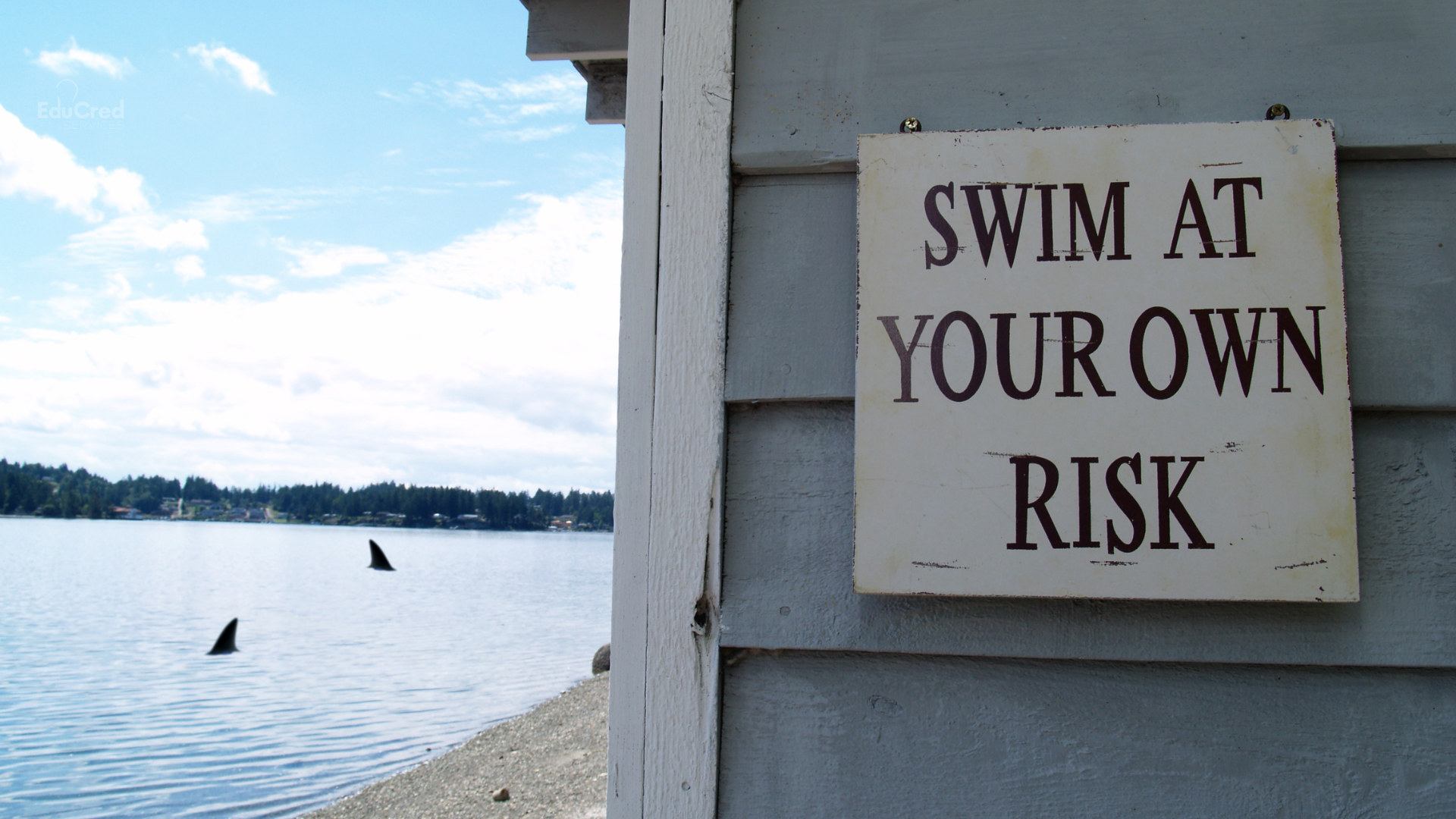
As higher education accreditation consultants, our job isn't to tell you that the scary things don't exist. It's to tell you which risks are actually likely, so you can spend your energy (and your budget) accordingly. We're the friend on the beach towel next to you saying, "For sure, keep an eye on the water, but you're turning pink." That's where we come in. As higher education accreditation consultants, part of our job is helping institutions worry about the right things. So, in honor of the season, let's look at some worries we hear all the time (especially from new institutions), and what should be worried about instead.

Who Are Accreditors and What Do They Want?
In recent years, accreditation has become a lightning rod in debates over higher education, federal oversight, academic freedom, institutional accountability, and the future of federal financial aid. Like most institutions that have existed for more than a century, accreditation has its flaws. But before deciding whether it should be reformed, replaced, or defended, it’s worth asking a simpler question: Who are accreditors, and what do they actually do?

The Kodak Moments Higher Ed Can’t Afford to Miss
Embracing measured risk, thinking long-term, and using foresight all depend on leaders prepared to take action. Yet the ability to navigate uncertainty rarely appears on lists of qualities we associate with good leadership. We value decisiveness, operational competence, and command of the present. Those all matter. But leaders also need the capacity to anticipate change, to act without waiting for 100% certainty, and to help their teams explore what the future might require.

“Yes, Chef!” Putting AI in its Station in Higher Ed
Think about what actually makes a meal (or an academic program) memorable. It isn't the efficiency of the operation, though efficiency certainly helps. It’s the synergy of every component and decision purposefully designed to create a transformative experience for the person on the receiving end. The goal is human connection. A transfer of knowledge, passion, and insight.

Accreditation Is in the Air (And We Will Be Too!)
This week, EduCred Services is heading to Washington D.C., and we are proud to be attending as the Diamond Sponsor of the Centennial Gala and 100th Annual Conference. The institutions we have had the opportunity to work with over the years, many of them members of the DEAC community, have shaped how we think about this work. They've trusted us with their most complicated challenges, let us into their processes, and pushed us to be better consultants.

Before the Blueprint: Women Who Built Higher Education
There is no version of modern higher education that doesn't trace at least some of its DNA back to the women in this post. The fight for access. The insistence on rigor. The understanding that cost matters, that student support matters, that missions must be more than a marketing slogan; these ideas weren't handed down from on high. They were argued for, built from scratch, and in many cases, dragged into existence by people who had no particular reason to believe the institution would ever welcome them.